
As accurate as GPT‑6.1 Sol at finding objects, 982x faster
Name the things you want found, such as cars, people or trees, and get back a box around each one. SIE runs Meta's open SAM 3 detector for you behind one API call.
SIE SAM 3
16 of 17 vehicles boxedAsked for car, bus, truck
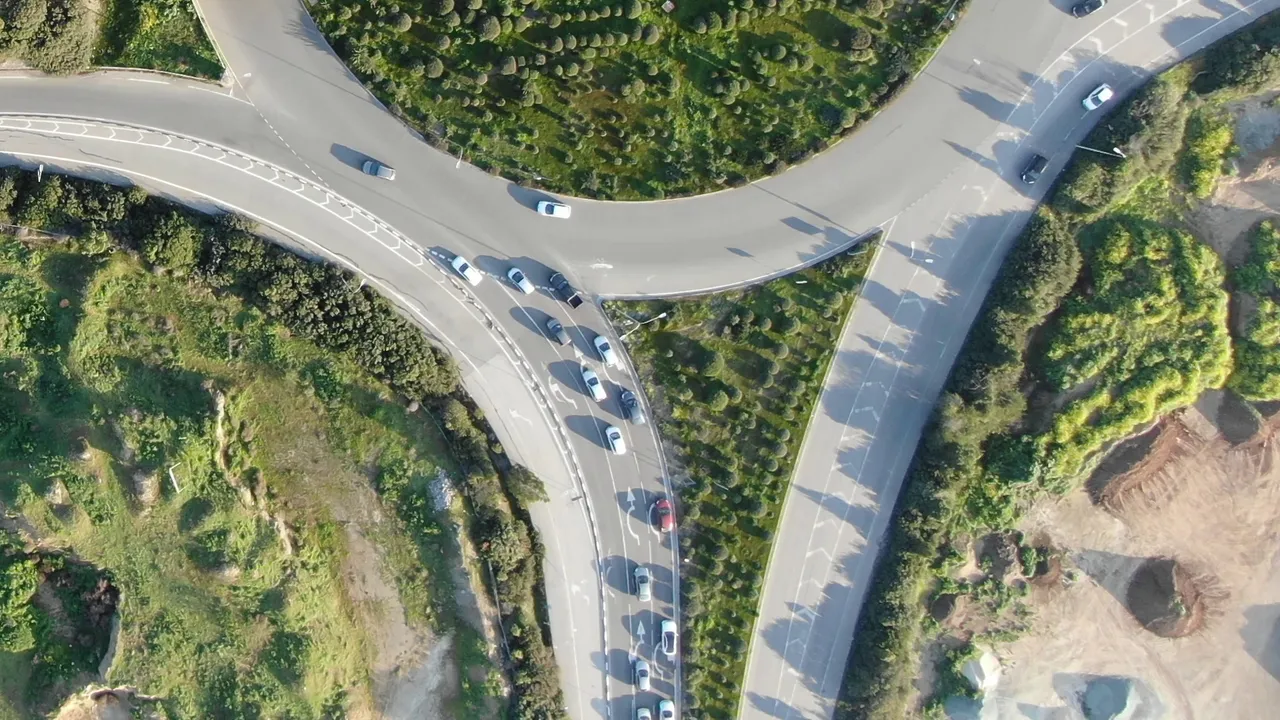
GPT‑6 Luna boxes 46% of the objects, Claude Sonnet 5.5 39%
GPT‑6 Luna, high reasoning
6 of 15 vehicles boxedAsked for car, bus, truck
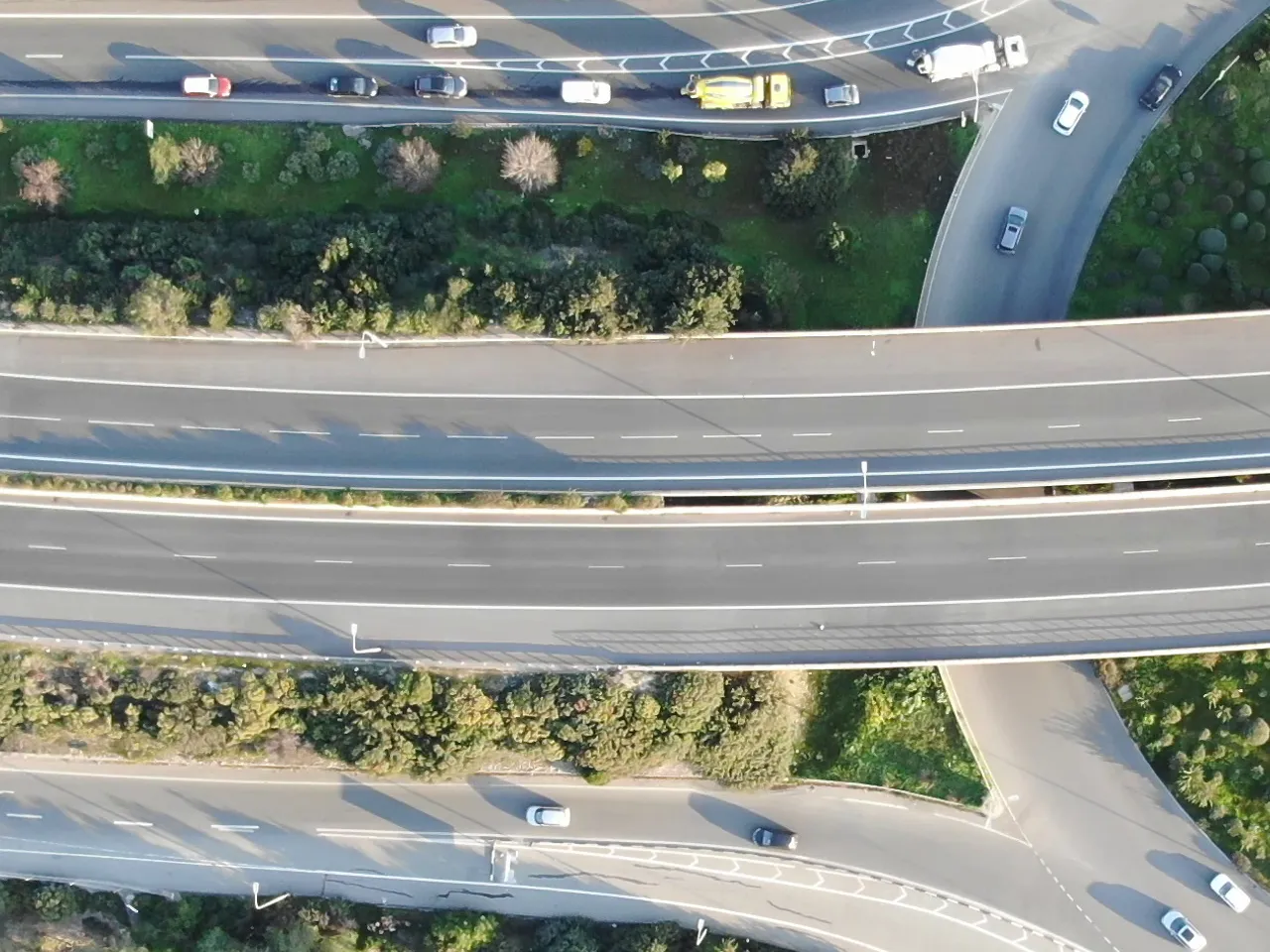
Claude Sonnet 5.5, default settings
0 of 11 vehicles boxedAsked for car, bus, truck
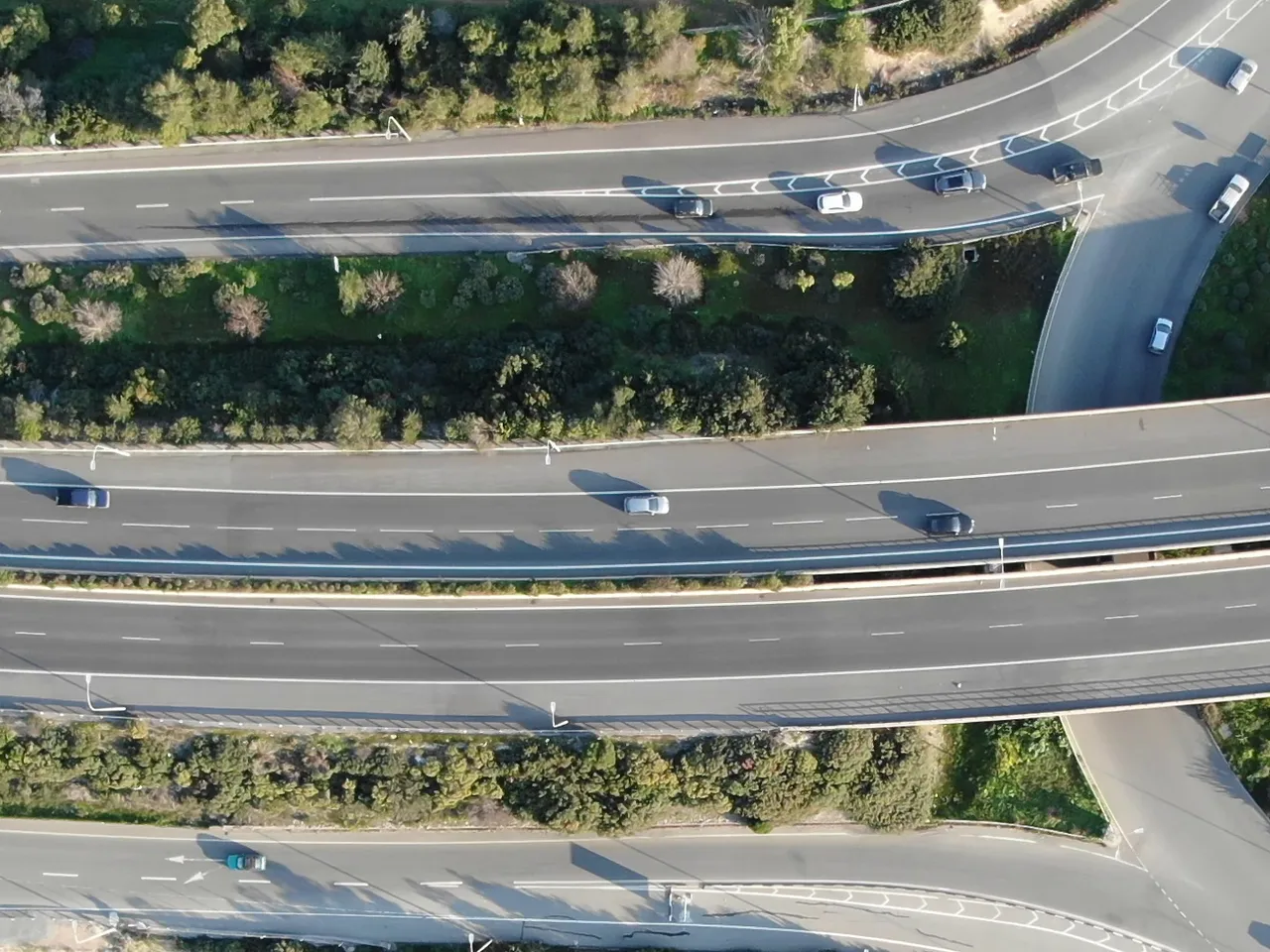
Across 300 crowded photos, GPT‑6 Luna at high reasoning boxed 46% of the objects, Claude Sonnet 5.5 39% and Claude Haiku 5.5 34%. SIE SAM 3 boxed 73%.
- NBC 5 Dallas-Fort Worth Dallas AI cameras missed a license plate they were meant to blur; the city covered it by hand
The city "had to add that black box to redact the plate number because it was still visible in the original image."
- arXiv:2607.06420 In crowded scenes, GPT-5.5 counted exactly right 1 time in 5 and Claude Opus 4.8 1 time in 100
HoloCount: A Holistic Visual Counting Benchmark for MLLMs
“These results confirm that dense scenes cause systematic under-counting”
More accurate than every model tested; only GPT‑6.1 Sol comes close
300 crowded photos, 17,222 objects, four current OpenAI and Anthropic models
- Photos
- Traffic, parking lots, people and trees from drones and aircraft, four public benchmarks, 21+ objects each
- Scoring
- A box counts when its name is right and it covers the object by half. F1 is 1 when every object is boxed and no box is false. All is the mean of the four sets
- Settings
- SAM 3 at its shipped threshold. GPT‑6.1 Sol and GPT‑6 Luna at high reasoning, Claude at default settings, each photo at full resolution. GPT‑6 Luna at default reasoning scored the same as at high
- Time
- Median per photo. SIE timed on a GPU server (RTX PRO 6000) with the client alongside; the others over their public APIs from one client in San Francisco
- Cost
- Per 1,000 photos: SAM 3 $0.25 at SIE’s Serverless rate, GPT‑6.1 Sol $59.98. The others are at list price on the tokens each used
Send a photo and the names to count, get a box for each one
from pathlib import Pathfrom sie_sdk import SIEClientclient = SIEClient(api_key="API keysk-sie-…")image = {"data": Path(imagejunction.jpgbrowse).read_bytes(), "format": "jpeg"}result = client.extract( "modelfacebook/sam3", {"images": [image]}, labels=[ "labelcar", "labelbus", "labeltruck", ],)for obj in result["objects"]: print(obj["label"], obj["score"], obj["bbox"])import { readFile } from 'node:fs/promises';
import { SIEClient } from '@superlinked/sie-sdk';
const client = new SIEClient(undefined, { apiKey: 'sk-sie-…' });
const image = await readFile("junction.jpg");
const result = await client.extract(
'facebook/sam3',
{ images: [image] },
{ labels: ["car","bus","truck"] },
);
console.log(result.objects);images_bytes=$(base64 < 'junction.jpg' | tr -d '\n')
curl https://api.superlinked.com/v1/extract/facebook%2Fsam3 \
-H "Authorization: Bearer sk-sie-…" \
-H "Content-Type: application/json" \
-d "{\"items\":[{\"images\":[{\"data\":\"$images_bytes\",\"format\":\"jpeg\"}]}],\"params\":{\"labels\":[\"car\",\"bus\",\"truck\"]}}"Build the "Detect" capability into my app using the Superlinked Inference Engine (SIE).
Context
- SIE is an OpenAI-style inference API. Python SDK: `from sie_sdk import SIEClient`; TypeScript: `@superlinked/sie-sdk`.
- Base URL: https://api.superlinked.com (or my regional endpoint). Auth: Bearer key from env `SIE_API_KEY` (never hard-code it).
- Model: facebook/sam3 (SIE primitive: /extract). Keep the model id configurable.
Task
- Input: an uploaded image plus the object labels to find.
- Behaviour: return the named objects with confidence scores and bounding boxes
- Call the selected SIE primitive once per request and map the response into your domain type.
Deliverables
- A typed client wrapper, an application-level function for this task, error handling for timeouts/empty input, and unit tests with a stubbed client.
- Wire it into my existing stack (ask me which framework if unclear) and add a short usage example.51 objects returned for car, bus, truck
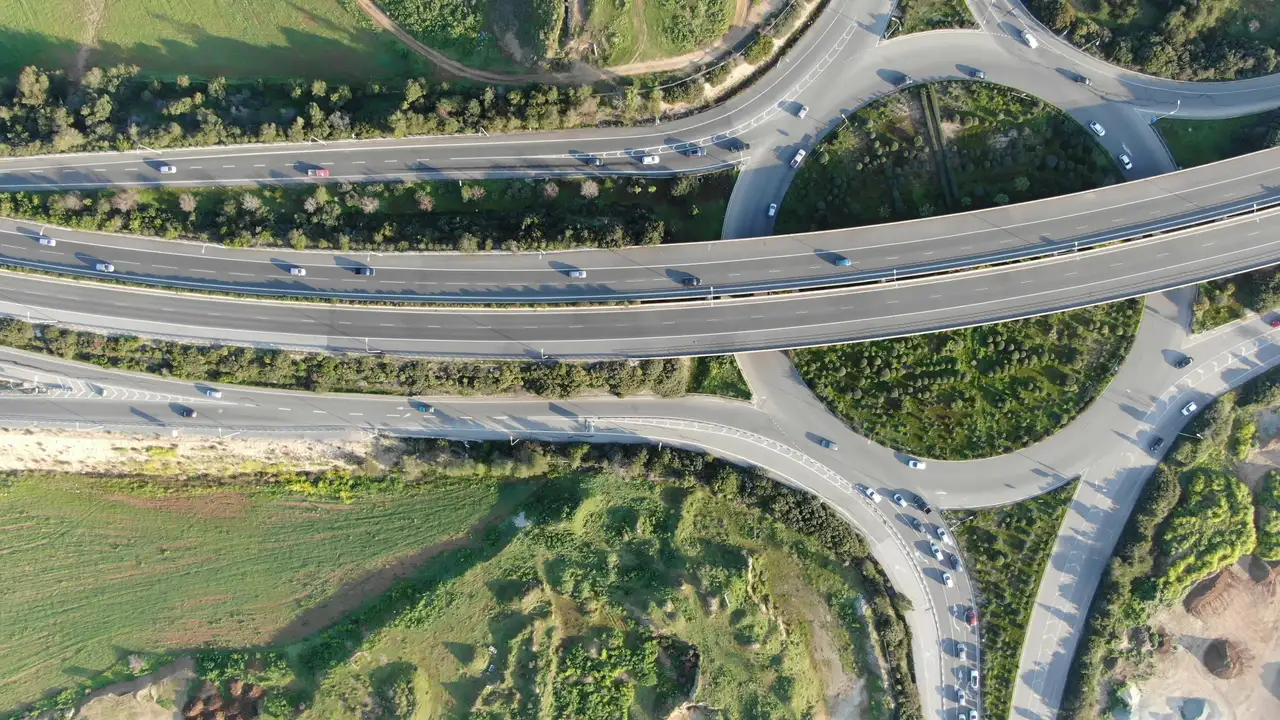
| label | score | bbox [x, y, w, h] |
|---|---|---|
| car | 0.885 | [3267, 363, 49, 46] |
| car | 0.877 | [3354, 459, 45, 50] |
| car | 0.875 | [3544, 1203, 49, 42] |
| car | 0.872 | [2370, 446, 51, 56] |
| car | 0.860 | [2722, 1377, 56, 31] |
| car | 0.857 | [282, 787, 60, 29] |
and 45 more, highest score first. Score is SAM 3's own match score, not a probability.
Start finding objects in your photos
Serverless API
We host the models; you call one API.
- No idle GPUs, pay for what you use
- SOC 2 Type 2, US or EU data residency
- $50 of credit to start, no card required
Self-hosted (Kubernetes)
SIE in your clusters, backed by our engineers.
- Data stays in your own cloud account
- Same models and API as Serverless
- Terraform to your cloud in minutes
Run locally
The open-source server on your own machine.
docker run --gpus all -p 8080:8080 -e HF_TOKEN ghcr.io/superlinked/sie-server:latest-cuda12-transformers5